Ask ten stylists what size shear they use and you'll hear ten numbers, from 4.5 to 7.0 inches. None of them is wrong. Size is personal, and the right one depends on your hand, your cutting style and the clients who sit in your chair most weeks. This guide shows you how to measure what you already own, what the numbers on our product pages mean, and how to size up or down without guessing.
Start with the shear in your kit
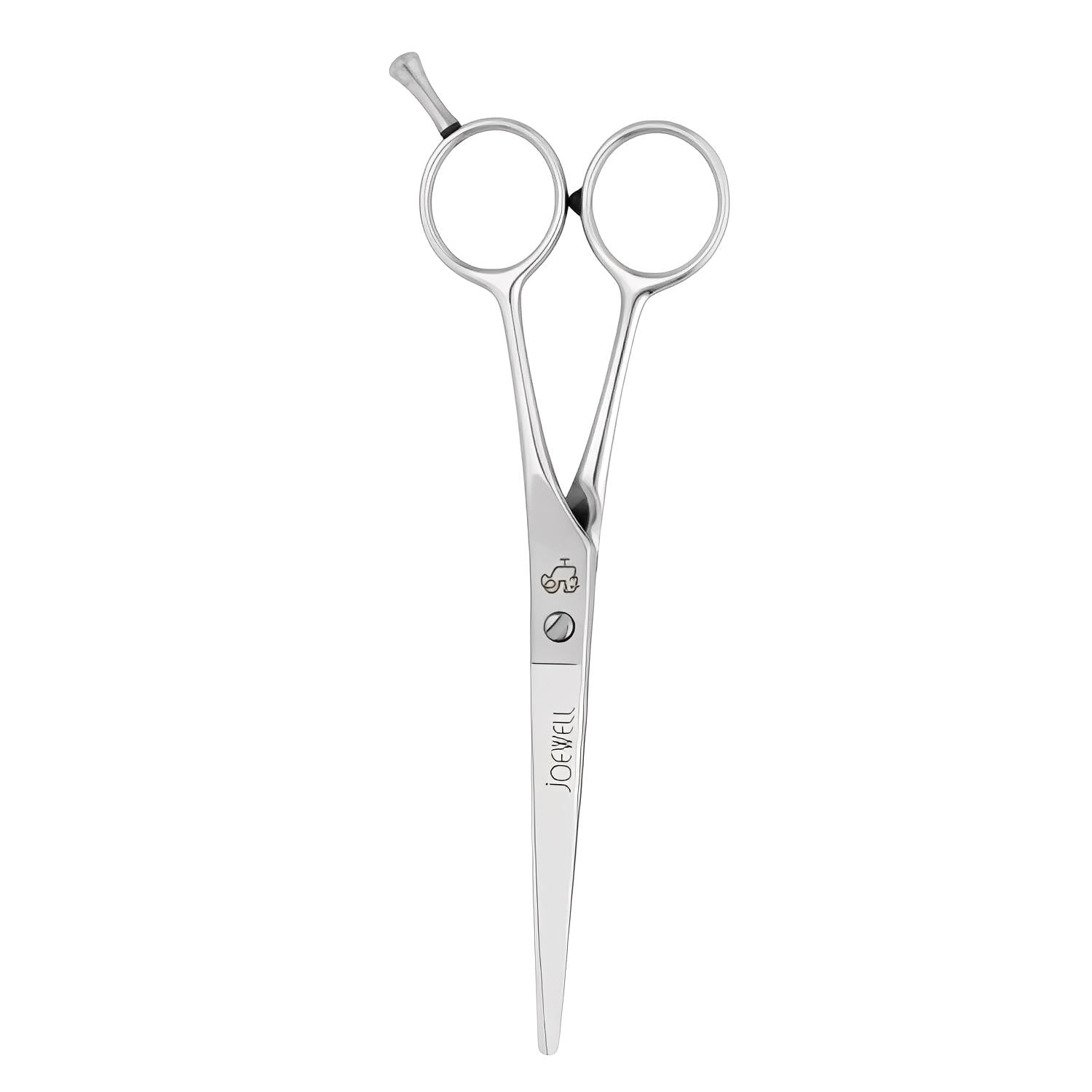
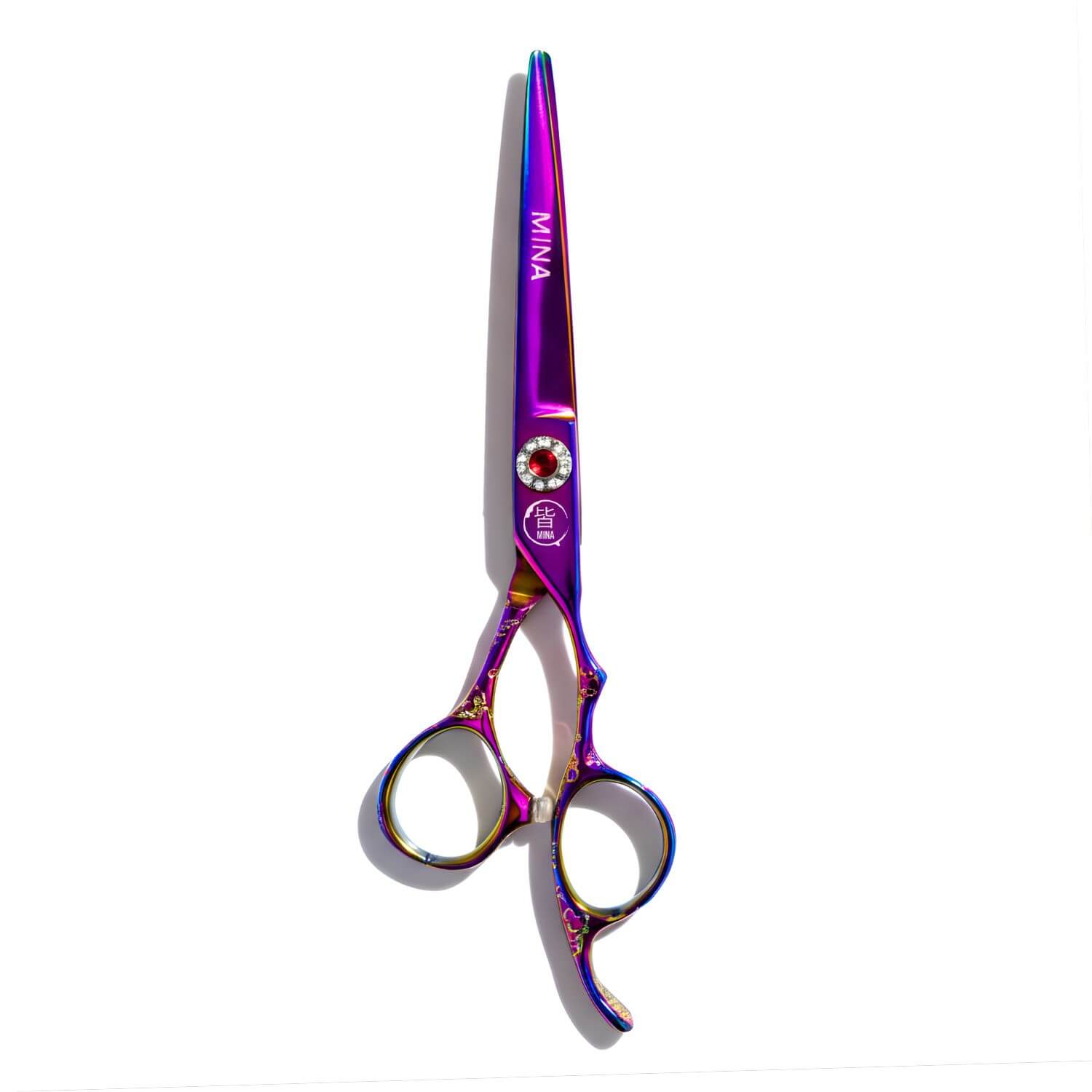
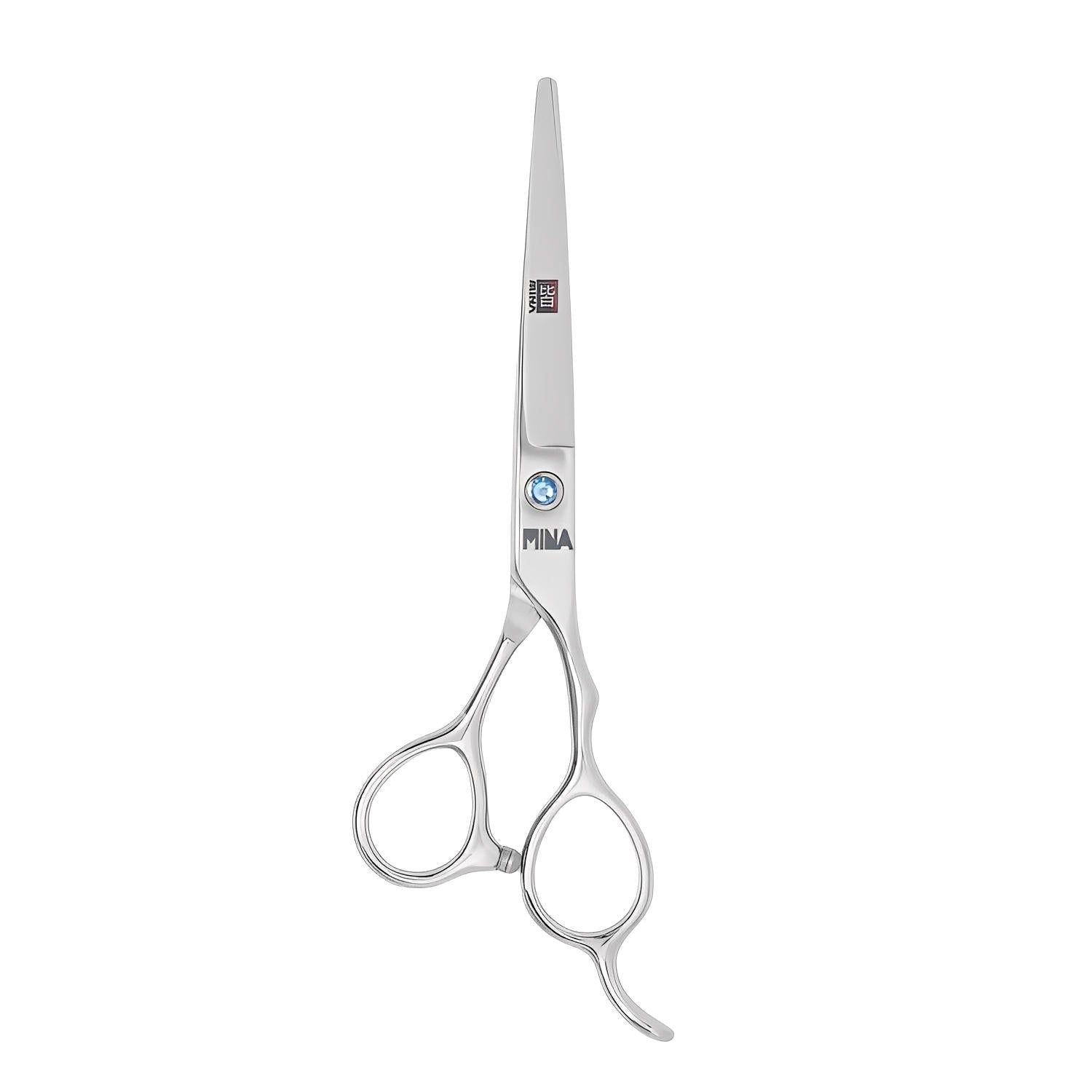
The most reliable sizing tool is the shear you reach for every day. Lay it flat on a table, closed, and measure with a ruler from the very tip of the blades to the far end of the longest finger ring. Leave the finger rest out of the measurement; it's the little hook below the ring, and it doesn't count towards the size. Round to the nearest quarter inch.
Now ask yourself one honest question: does this shear feel right at the end of a twelve-client day? If yes, that number is your size, and you can shop within a quarter inch of it with confidence. If your hand aches, or you find yourself choking up on the shear for detail work, read on.
What the size on a product page tells you
Every size in our range is an overall length in inches. Two shears listed at 6.0 inches are the same overall length, but they won't always feel identical. A few things change how a size behaves in the hand:
- Blade shape. A sword or semi-sword blade has a longer, straighter cutting line and can feel a little longer than its size. A wide, curved blade feels shorter and more compact.
- Handle style. An offset or crane handle moves your thumb lower, which changes where your hand sits along the shear.
- Half sizes. Some makers use in-between sizes such as 5.25, 5.7 or 5.75 inches. If 5.5 feels short and 6.0 feels long, a half size is worth a look.
When a model comes in several sizes, you choose yours in the options on the product page. Sizes that aren't available for a given hand or style are crossed out, so you can't pick a combination that doesn't exist.
Sizing by the work you do
Your size should follow the cuts you do most, not the cuts you'd like to do one day. Here's how it tends to work on a busy salon floor:
| Your book is mostly | Size to start with | Why it works |
|---|---|---|
| Short cuts, fringes, detail around the ears | 5.0 to 5.5 inches | Short blades turn easily and keep the tips under control close to the skin. |
| A mix of bobs, layers and restyles | 5.5 to 6.0 inches | Enough blade for clean lines, short enough for point cutting. |
| Long one-length hair and big sections | 6.0 to 6.5 inches | More cutting edge per close means fewer closes across a long line. |
| Barbering and scissor-over-comb | 6.5 to 7.0 inches | A long, steady blade follows the comb across the back and sides. |
If your work is evenly split, choose the size for the cut you do most often and add a second shear later. Many stylists end up with two cutters: a shorter one for detail and a longer one for lines.
Hand size matters, but less than you think
Hand size gets a lot of attention. It's a factor, but technique matters more. A stylist with small hands can cut beautifully with a 6.5 inch shear if they've trained on one, and a stylist with large hands may prefer a 5.0 inch shear for detail work.
Use hand size as a tiebreaker. If you're torn between two sizes and your hands are on the smaller side, go with the shorter one. If your hands are large and the shorter shear feels cramped in the rings, go longer.
Rings, finger rests and inserts
Length is only half of fit. The rings need to suit your fingers, too.
- Your thumb should sit in the thumb ring up to roughly the first knuckle. Too deep and the shear wobbles; too shallow and you'll grip harder than you need to.
- Many Joewell models, and some others in our range, have a removable finger rest. If the rest presses into your little finger, you can take it off.
- A few models list removable finger inserts, which make a large ring smaller and can come out when you don't need them. If your fingers are slim, look for them in the handle details on the product page.
Thinners have their own sizes
Most thinning shears in our range are about 6.0 inches, with a handful between 5.5 and 6.5 inches. That's on purpose. A thinner works across a section rather than along a line, so length matters less than the teeth. Many of our sets pair a cutting shear in your choice of length with a 6.0 inch thinner, which suits most hands. For more on choosing one, read thinning shears explained.
Moving to a new size
Changing size feels odd at first. Your muscle memory expects the tips to be somewhere else. Give a new size two full weeks before you judge it, and start with clients whose cuts you know well. Half an inch is a big step; a quarter inch is easier to adjust to.
A few signs you've picked the wrong size:
- You keep closing the shear only halfway to avoid cutting too far: it may be too long.
- You need many short closes across a simple line: it may be too short.
- Your wrist bends sharply when you cut a horizontal line: the handle style may matter more than the size. Our guide to choosing your first salon shear covers offset and classic handles.
Before you order
Write down three things: the size of the shear you like now, the cut you do most, and your cutting hand. Then open a few product pages in our cutting shears collection and compare. If you cut left-handed, read our left-handed shears guide first, because not every size is offered in a left-handed version.
Prices are in Canadian dollars. If you're between two sizes and would like a second opinion, email us with both and tell us what you cut most. The address is on the contact page.